Masked Aadhaar in Customer Onboarding: A Secure Alternative for Low-Risk Use Cases
Digital onboarding has transformed the way businesses interact with customers. From opening bank accounts to signing up for digital services, customers now expect quick and hassle-free verification experiences. At the same time, concerns around data privacy and identity misuse are growing rapidly.
This is where Masked Aadhaar becomes an important solution for businesses handling low-risk onboarding workflows.
Instead of collecting and storing a customer’s full Aadhaar number, organizations can use Masked Aadhaar to verify identity while protecting sensitive personal information. It helps businesses maintain compliance, improve customer trust, and reduce unnecessary exposure of identity data.
In this blog, we’ll explore how Masked Aadhaar supports secure customer onboarding and why it is becoming a preferred choice for privacy-focused verification processes.
What is Masked Aadhaar?
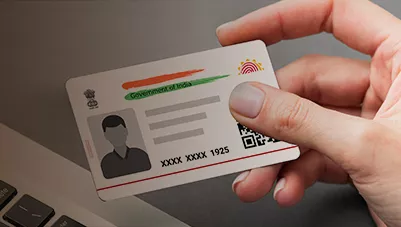
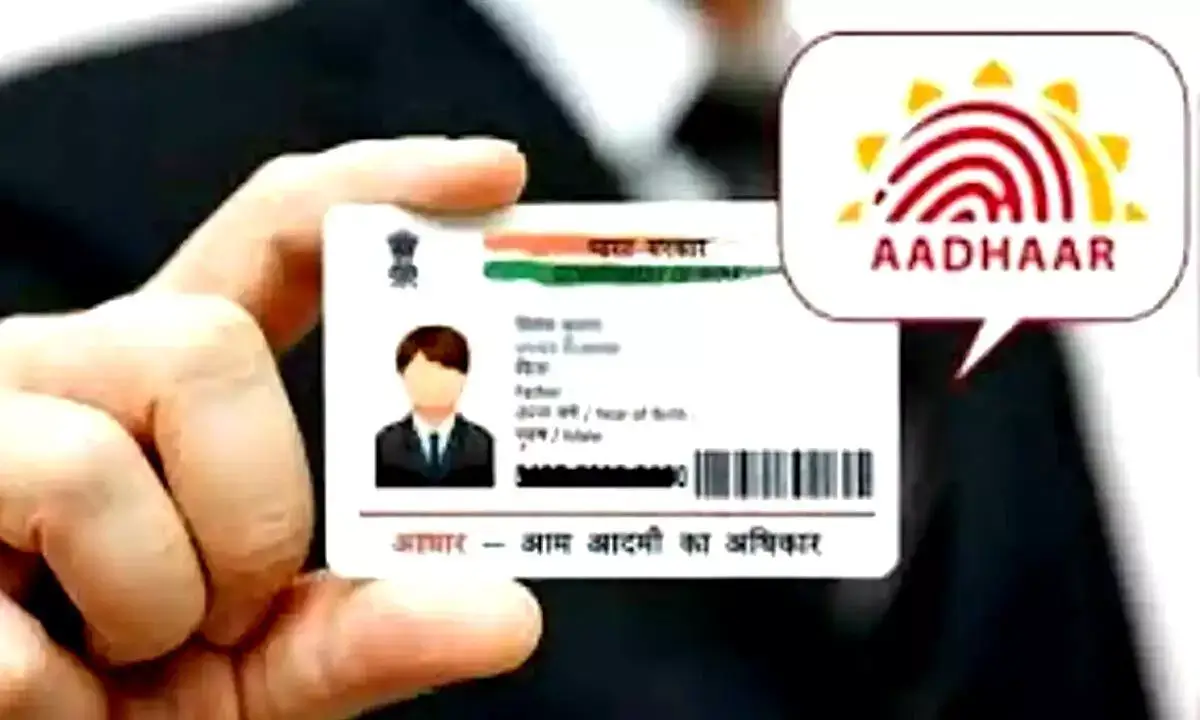
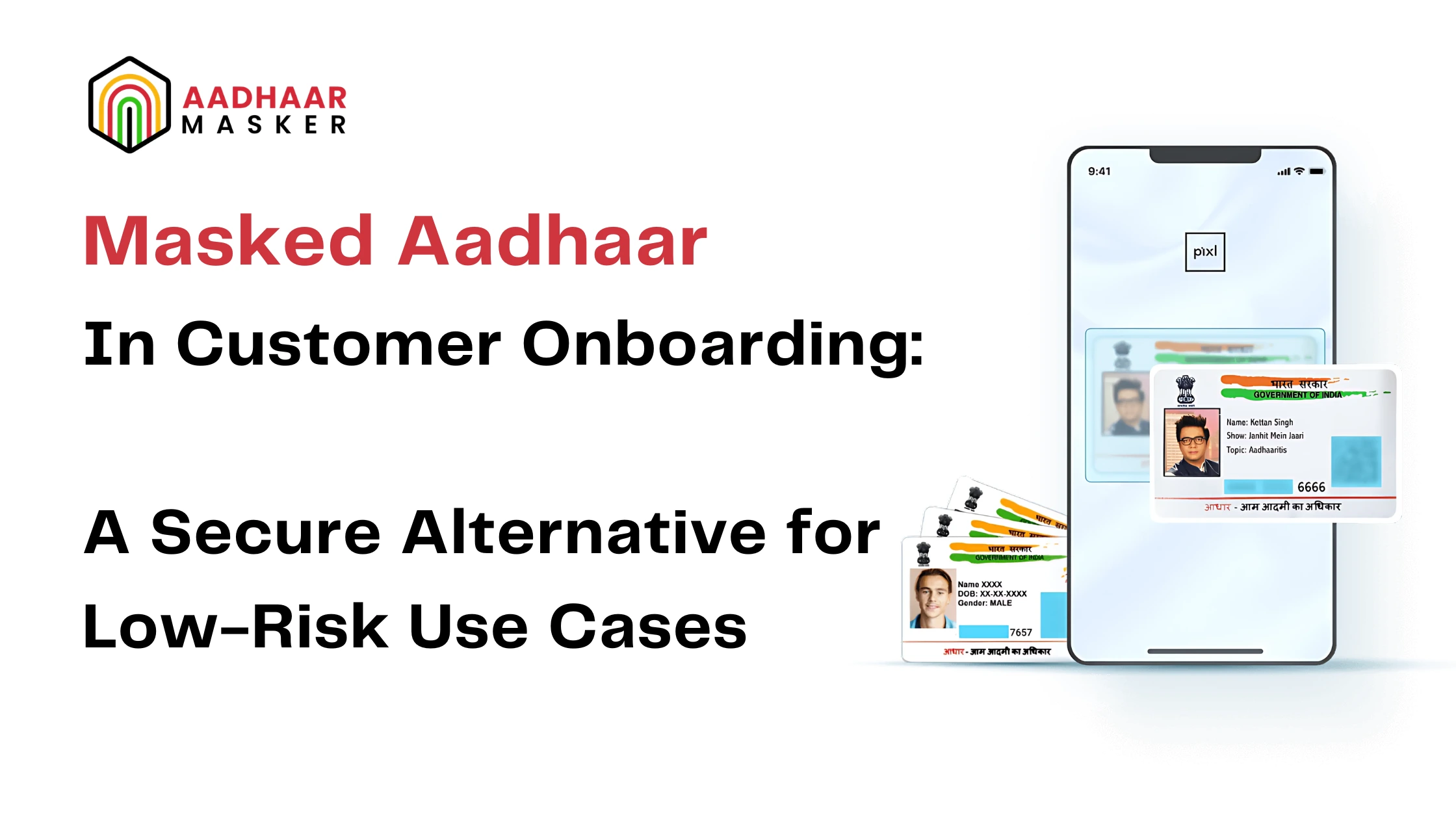
Masked Aadhaar is a version of the Aadhaar card where the first eight digits of the Aadhaar number are hidden, and only the last four digits are visible.
Example:
XXXX XXXX 4587
This allows organizations to confirm identity without accessing the customer’s complete Aadhaar number.
The document remains valid for many verification purposes while offering an added layer of privacy protection.Read our guide that tells the The Importance of Aadhaar Card Masking Solutions for Data Privacy
Why Businesses are Moving Toward Privacy-First Onboarding?
Modern customers are becoming more aware of how their personal data is used and stored. Many users hesitate to share full identity documents unless absolutely necessary.
For businesses, storing complete Aadhaar information for every low-risk onboarding process can create unnecessary security and compliance challenges.
Using Masked Aadhaar helps organizations:
- Minimize sensitive data collection
- Reduce identity exposure risks
- Improve customer confidence
- Strengthen data privacy practices
- Simplify low-risk verification workflows
This approach aligns well with today’s digital onboarding expectations where security and user experience must work together.
Where Masked Aadhaar Works Best?
Masked Aadhaar is especially useful in low-risk onboarding scenarios where complete Aadhaar visibility may not be required.
Some common use cases include:
Telecom and SIM Verification
Telecom providers can use Masked Aadhaar to verify customer identity while reducing unnecessary exposure of personal data.
Fintech Customer Registration
Fintech platforms often onboard users for wallets, savings products, or low-value services where privacy-friendly verification improves trust.
Digital Service Platforms
Subscription platforms, marketplaces, and online service providers can simplify customer onboarding while maintaining identity verification standards.
Employee and Vendor Verification
Organizations can use Masked Aadhaar during internal onboarding processes for contractors, vendors, or temporary employees.
How Masked Aadhaar Improves Security
One of the biggest risks in digital onboarding is excessive data sharing.
When full Aadhaar details are stored across multiple systems, the chances of misuse or unauthorized access increase. Masked Aadhaar helps reduce this risk by limiting exposure of sensitive information.
Benefits include:
- Reduced risk of identity theft
- Lower chances of data misuse
- Better privacy compliance
- Safer document handling practices
- Stronger customer confidence
For businesses, this creates a more secure onboarding environment without adding complexity to verification workflows.Read our guide : What Is Masked Aadhaar? The Ultimate Guide
The Role of OCR and AI in Aadhaar Verification
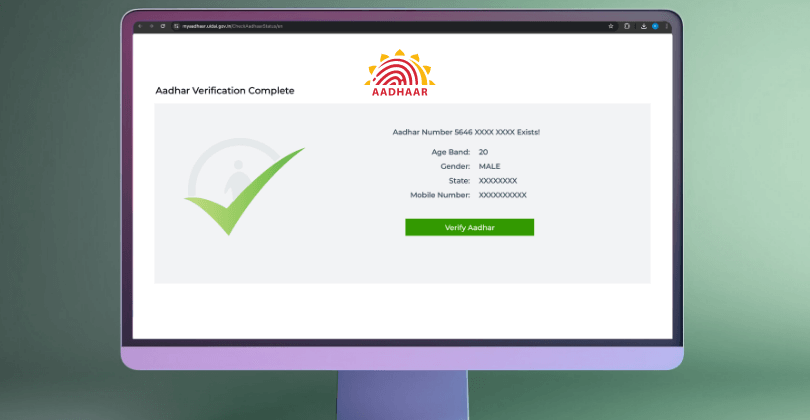
Modern onboarding systems use OCR and AI-powered document verification to automate identity validation.
With intelligent Aadhaar OCR solutions, businesses can:
- Extract customer details automatically
- Verify document authenticity
- Detect tampered documents
- Reduce manual verification errors
- Speed up onboarding approvals
At PixDynamics, AI-powered identity verification solutions help organizations streamline onboarding while maintaining security, compliance, and operational efficiency.
Why Customers Prefer Masked Aadhaar?
Customers today want more control over their personal information.
When businesses allow users to share Masked Aadhaar instead of full Aadhaar copies, it creates a stronger sense of trust and transparency.
It shows that the organization values customer privacy and follows responsible data collection practices.
This small change can significantly improve the onboarding experience.
Conclusion
As digital onboarding continues to grow, businesses must balance speed, security, and privacy. Collecting excessive customer information is no longer considered a best practice, especially for low-risk verification scenarios.
Masked Aadhaar offers a practical and secure alternative that protects sensitive identity information while supporting smooth customer onboarding.
Organizations that adopt privacy-first verification approaches will be better positioned to build customer trust, reduce compliance risks, and create safer digital experiences.
With intelligent onboarding solutions from PixDynamics, businesses can combine AI-powered verification, OCR automation, and secure identity workflows to deliver faster and more reliable customer onboarding.